
What happened before
Sketch migrations, rulers and turning points, then consider which traces remain in the places the characters visit.
Campaign & story
A world with a past.
Myths people remember.
A future players can change.
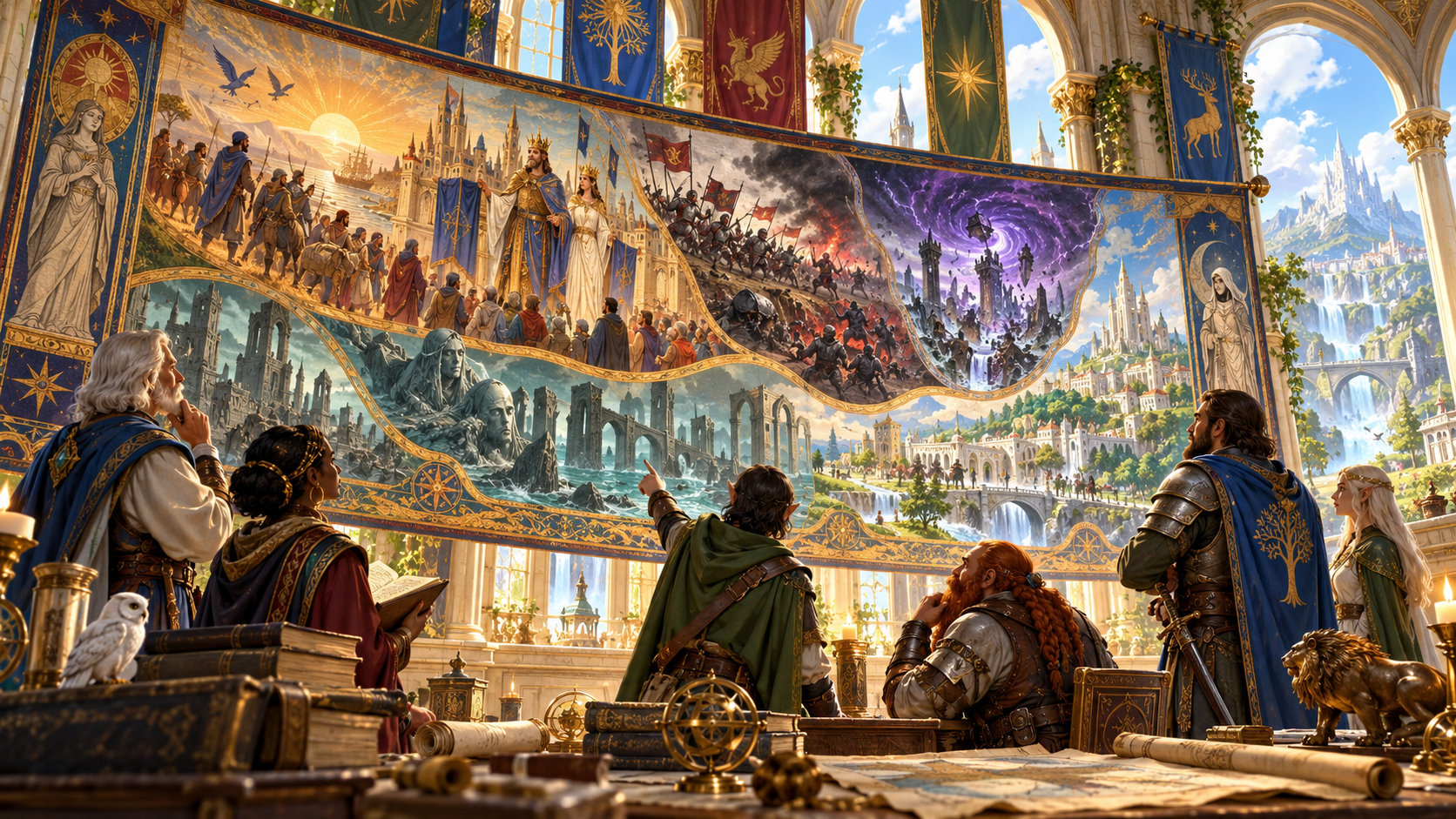
The past, alive at the table
Prepare eras, remembered stories and beliefs about the future that give your setting more to explore. You decide which ideas belong in your campaign.
Sketch migrations, rulers and turning points, then consider which traces remain in the places the characters visit.
Add myths, disputed retellings and a prophecy that people can interpret in different ways. Those beliefs can shape the next choice.
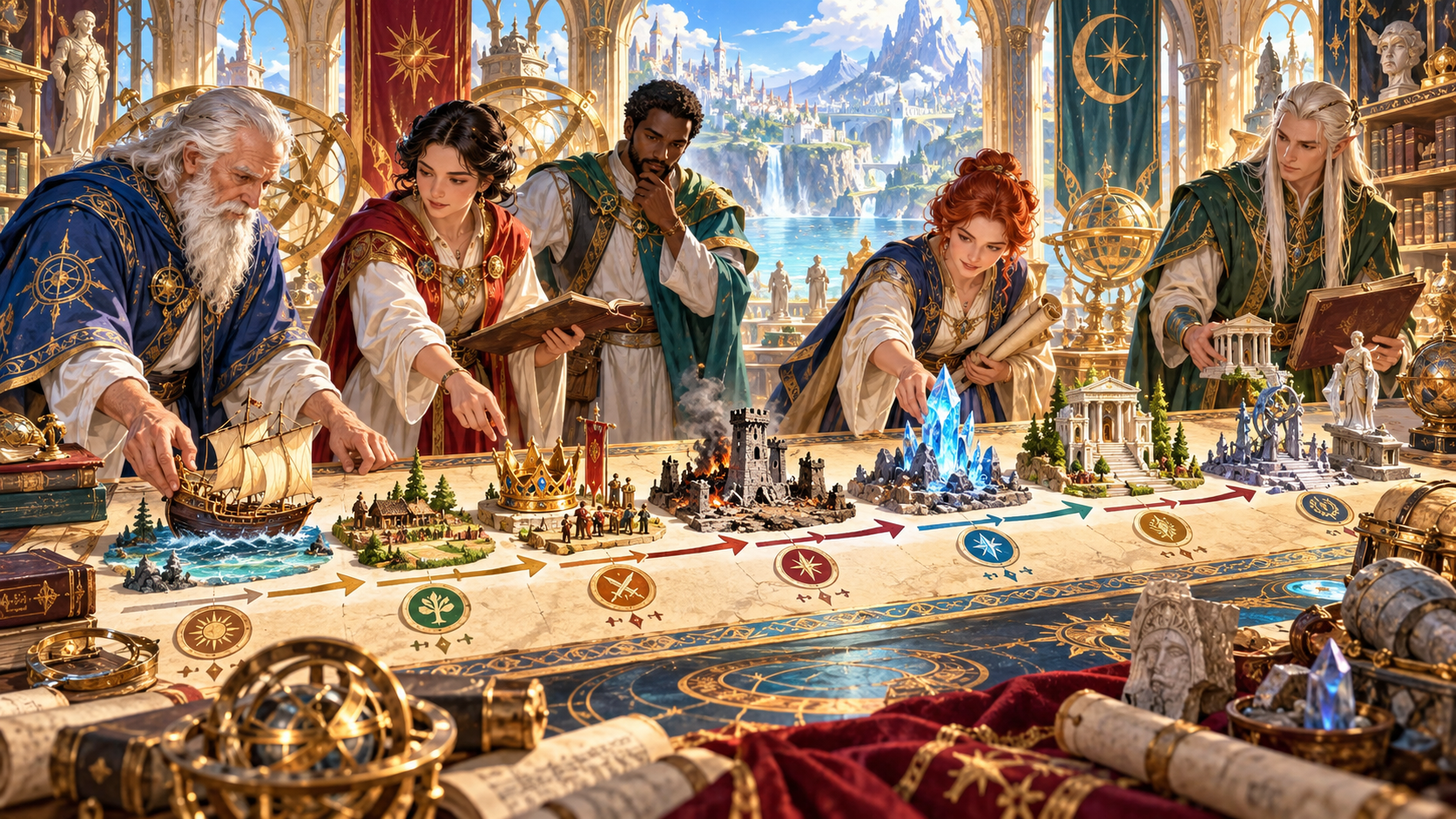
Causes, change and surviving traces
A migration, fallen kingdom or discovery can explain something the characters see today. Prepare causes, turning points and surviving traces instead of an isolated list of dates.
Include rulers, faiths and legendary people where they serve the setting. Review the outline against what your campaign has already established.
What your setting record can contain
Choose the elements that give your campaign useful depth.
Choose how much history the setting needs, from a focused sequence of eras to a broad sweep of change.
Use migrations and the rise of rulers to explain why cultures, borders and traditions look the way they do.
Bring wars, disasters and discoveries into the outline as events with causes and traces that still matter.
Give vanished powers a place in the past and consider the ruins, institutions or disputes they leave behind.
Include historical faiths and legendary people whose stories continue to shape belief and identity.
Prepare the stories people tell about where they came from and the deeds they admire.
Explore how different communities remember the same story and what those versions mean to them.
Give a prophecy visible signs the characters can notice and several credible ways to read them.
Choose how much uncertainty the prophecy carries, so its interpretation gives players something to consider.
Include a possible way to avert the foretold outcome. Leave the players room to act.
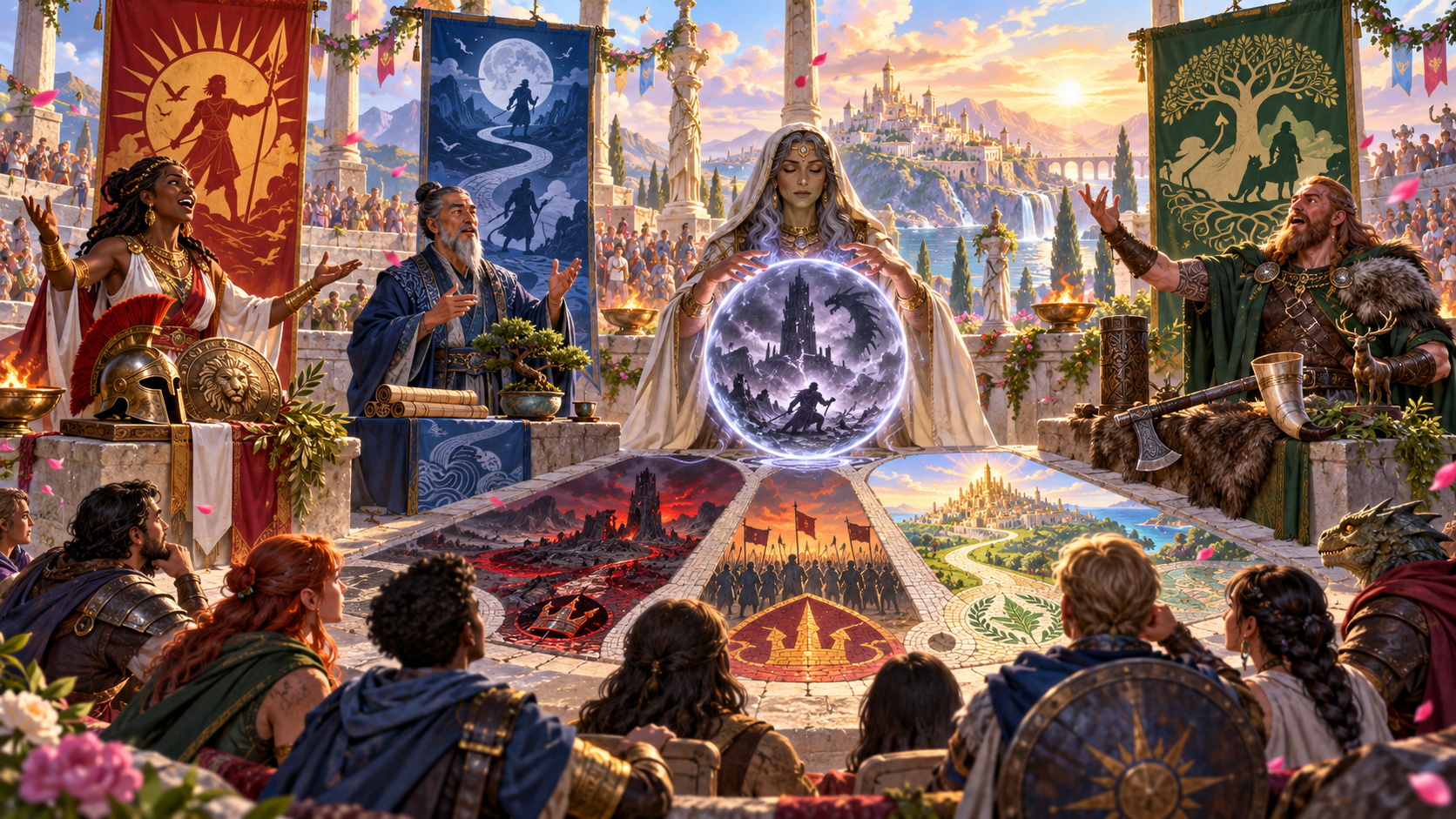
Myths and possible futures
Origin and heroic myths give a culture stories to remember. Add historical echoes, a reason the story matters and retellings that reveal different beliefs.
A prophecy can offer visible signs and several credible interpretations. Give its ambiguity a limit and include a possible way to avert the outcome, leaving the players room to act.
Quick and Deep
Start with broad choices and add the details your campaign needs.
Choose the historical scope, depth of eras, role of magic, reliability of sources, place of prophecy and mythic tone.
Deep preparation adds eras, places and cultures, so the outline has people and locations you recognise.
Describe the setting at the beginning of the history and choose the level of conflict that fits its tone.
Note established facts and subjects the history should respect or avoid. Review the suggestions before bringing them into play.
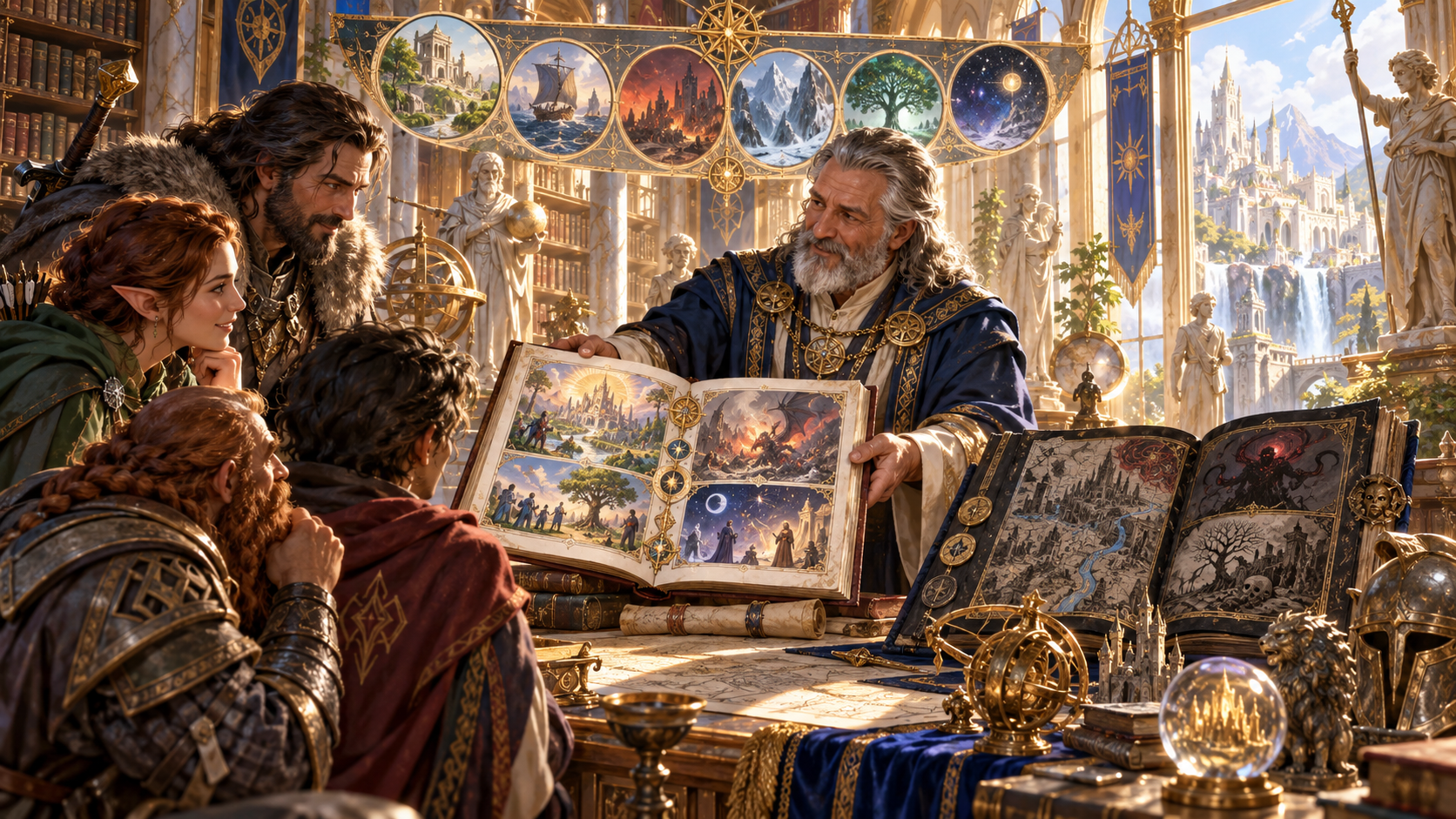
The readable chronicle
A readable chronicle can introduce the setting's eras, remembered figures and myths. Use it to give the group material they can discuss and investigate.
Keep deeper explanations and private campaign context in your own preparation. Before sharing a passage, review its details and choose which parts the characters should know.
Your campaign stays in your hands
Use the material as worldbuilding preparation and decide how it enters play.
A prophecy gives the characters something to interpret or avert. It does not need to dictate the end of the campaign.
Review new suggestions against events already played. This generator does not rewrite those events.
Use a separate calendar or document tool when that is the task. This product focuses on history, myth and prophecy.
The generator does not manage an encounter or create Combat PRO combat state. Your table decides what happens next.
Continue your setting preparation
Explore the related product or open your desktop workspace.

Find your VISINVOKE products in one Windows desktop workspace.
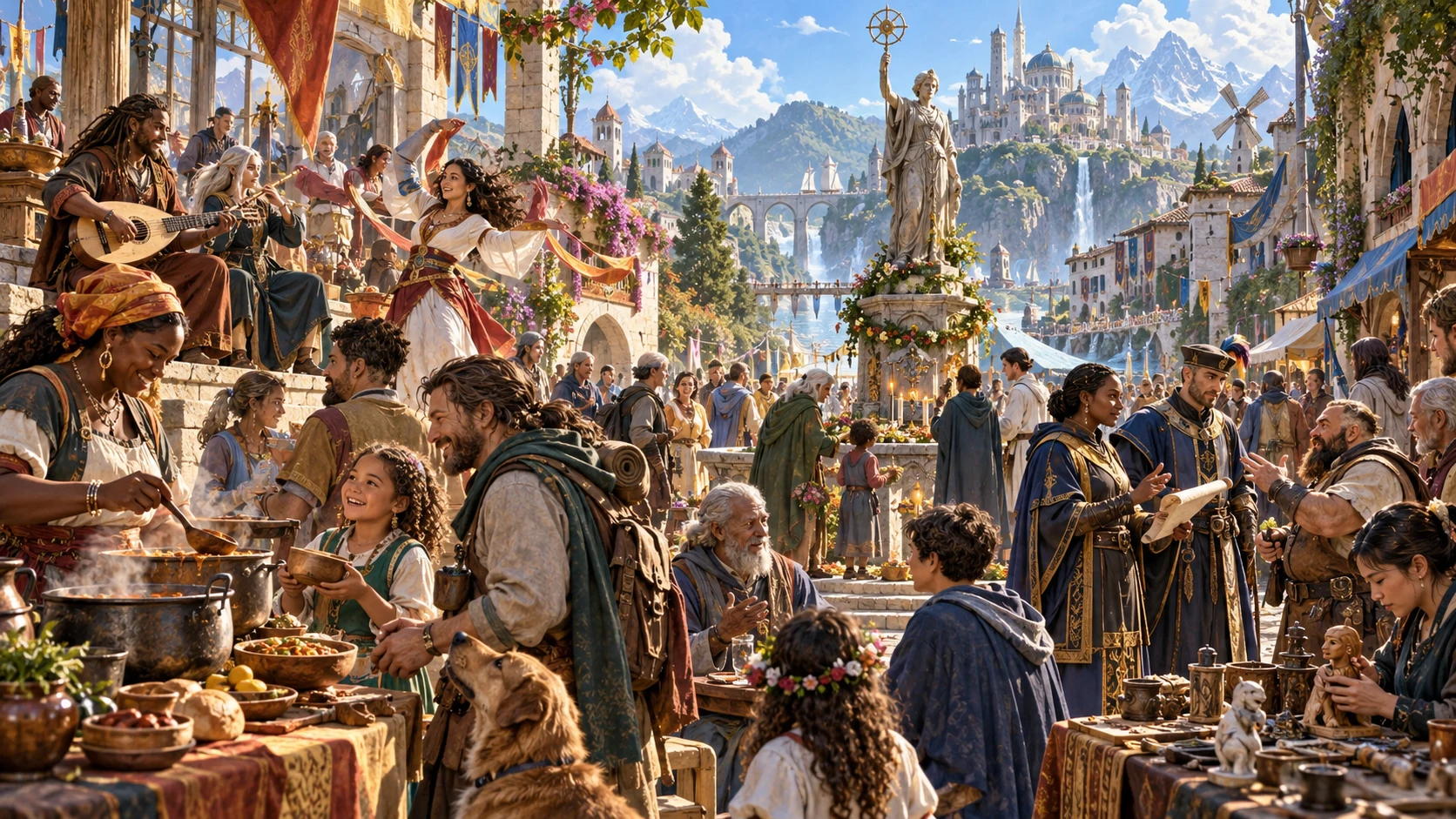
Explore the separate product for customs, shared beliefs and life within a society.
Product artwork illustrates the subject, not application screens.
Questions and answers
Historical scope, myths, prophecy and account access at a glance.
It prepares a setting history with eras, migrations, rulers, turning points and surviving traces, alongside cultural myths and a prophecy with more than one credible interpretation.
No. The approved product information includes signs of fulfilment, bounded ambiguity and a possible way to avert the outcome. Use those ideas to invite choices at the table.
Quick chooses the historical scope, era depth, influence of magic, source reliability, role of prophecy and mythic tone. Deep adds named eras, places and cultures, conflict, a starting world and things to preserve or avoid.
Origin and heroic myths add cultural purpose and historical echoes. Disputed retellings let you explore why different groups remember a story differently.
No. The generator concentrates on setting history, myth and prophecy. It does not create a calendar, rewrite events already played, manage an encounter or create Combat PRO combat state.
Use your VISINVOKE account and open the Generators collection in Desktop Control Centre on Windows. Individual subscription access and current pricing are managed through your account.
Continue in VISINVOKE
Create a free VISINVOKE account or sign in to your existing account. Access Desktop Control Centre through your account installer page.
Open the Generators collection on Windows. View current subscription and access details in your account.